Natasha Tracy's Newsletter October Edition Dear Bipolar Warriors and Supporters, Happy spooky season, all! October brought two big conversations: the very real, physical side of starting transcranial magnetic stimulation (TMS), and the policy shifts making
mental health care harder to reach in the U.S. I’m sharing lived experience you can use today, plus evidence and advocacy you can take into conversations tomorrow. 📬 What's Inside: - 🎧 Feature 1: What TMS really feels like when you’re migraine-prone — and what helped
- 🗳️ Feature 2: World Mental Health Day and policy rollbacks that restrict care
- 🗂 From the Archives: Isolation, asking for help before a suicide attempt,
and hidden depression
- 📸 Instagram Spotlight: My new mantra
- 💚 Support my work
- Final Thoughts: How to fight overwhelm
- Your Feedback: Share what you’d like to see next month
Let's dive in! |
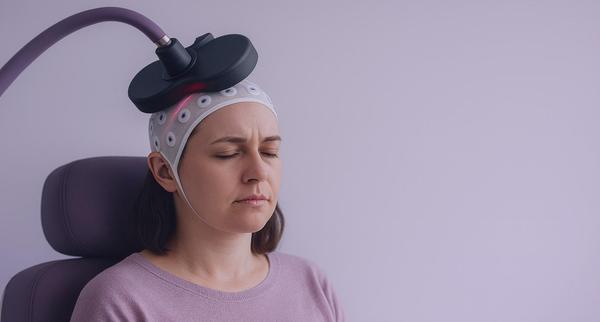
📝 Feature #1: Does TMS Cause Headaches or Migraines? My Experience + What Helped If you’re starting TMS for depression and you already deal with head pain, you’ll want real-world tactics to handle it. I break down what sessions feel like, what can
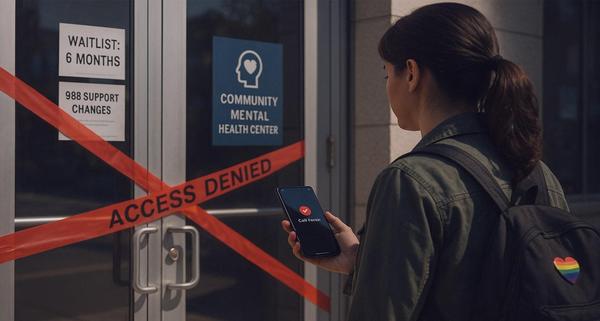
worsen pain (like anxiety, lack of sleep, starting the day with a headache), and the small adjustments and self-care steps that made a difference for me so I can keep going. 👉 Read the full article. 🏥 Feature #2: World Mental Health Day, 2025: The Policy Rollbacks Making Care Harder This year’s World Mental Health Day wasn’t just about awareness, it was about alarm. I walk through specific U.S. policy actions that are undermining access to
therapy, medications, and crisis support, why the rhetoric is anti-science, and where to look for reliable guidance. If you care about evidence and access, this one’s for you. 👉 Read the full article. From the Archives Revisit these three thought-provoking articles that cut to the heart of living with bipolar disorder: - Spoon Theory and Serious Mental Illness: What Is a
Spoonie? — A plain-English explainer of Spoon Theory (credit to Christine Miserandino) and why people with serious, chronic mental illnesses can claim the “spoonie” label, too. I argue that mental illnesses are brain-based disorders, part of the same disability landscape, and that adopting the spoonie lexicon (“I’m out of spoons”) gives us a shared shorthand for limits, planning, and advocacy.
👉 Read the full article.
- Depression Makes Me Hard to Know — Hidden Depression — This is about “perfectly hidden” depression: perfectionism and caretaking can mask serious
pain. Naming the pattern is a first step toward letting people in.
👉 Read the full article.
- Why Aren’t Bipolars Asking for Help Before a
Suicide Attempt? — Many of us see clinicians shortly before an attempt, yet don’t disclose the depth of our suicidality. This piece unpacks the barriers, such as shame, fear, and not being believed, and offers concrete ways to speak plainly so action can be taken.
👉 Read the full article.
All the Archives |
Instagram Highlight: A Mantra for All of Us "In my 20s, I did 150 skydives. It was incredible. I defied death 150 times. And while I no longer skydive, it is a punctuation mark in my life.
Right now, I'm going through something difficult, and this is my new mantra: I'm a skydiver; I can do anything.
It's my belief we all have accomplished something in our lives that was impossibly hard. Take all the women who have gone through childbirth — impossibly hard.
And I think we could all use a mantra that
reminds us of that.
So, what's your impossibly hard thing? What has proven to you that you can do anything?
(PS, I've also lived with bipolar for more than 25 years. I can do anything. That just doesn't read as well.)"
How to Support My Work - Buy and
review my book.
- Book me to speak with your team on mental health, stigma, or using AI responsibly in mental health.
- Forward this newsletter to someone navigating depression, bipolar, or
TMS decisions.
- Comment on the articles. Your lived experience helps others feel less alone.
A Quote & Final Thoughts Both pain and policy can narrow the path to help. We widen it with knowledge, concrete tools, and a circle that holds. “Clarity is the antidote to overwhelm.”
— Unknown
This month, may you have clear next steps and the compassion to take them at your own pace. Take good care, 🗣️ Your Feedback What topics should we explore next month? Reply to this email or connect with me on social media; I love hearing
your questions and ideas. 🌟 Share This Newsletter If this newsletter resonated with you, please forward it to a friend and encourage them to subscribe! |
You're receiving this email because you've agreed to communications from Bipolar Burble, or you signed up for a Natasha Tracy masterclass. Your information will never be given, rented, or sold to anyone. |
|
|
|