Natasha Tracy's Newsletter November Edition Dear Bipolar Warriors and Supporters, November may be over, but I still have a few tidbits to share. This month, I’m talking about two hard things: when depression treatment fails, and what emotional pain might be
trying to tell us. I’m also sharing three powerful archive pieces on feeling dead inside, going public with bipolar, and the urge to blame someone for this illness. 📬 What's Inside: - 🎧 Feature 1: TMS Didn’t Work for Me – Now What?
- 🗳️ Feature 2: What If Your Emotional Pain Is Trying to Protect You?
- 🗂 From the Archives:
- Depression and Feeling Dead Inside
- Should You Go Public About Your Bipolar
Online?
- Blaming Others for Bipolar Disorder
- 📸 Instagram Spotlight: On brain fog
- 💚 Support my work
- Final Thoughts: Pain is real, and so is courage
- Your Feedback: Share what you’d like to see next month
Let's dive in! |
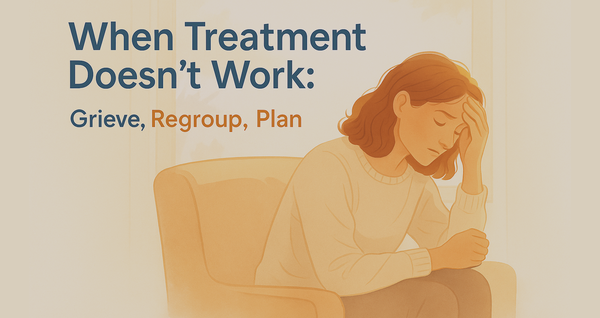
🌟 Feature #1: TMS Didn’t Work for Me: The Grief of Failed Depression Treatment and What to Do Next After 25 of 30 sessions of theta-burst TMS, I had no meaningful improvement. In this piece, I talk frankly about what it’s like when yet another
treatment doesn’t work — the grief, the anger, and the way it can feel like your future has been yanked away again. The article walks you through: - Why failed treatment hurts so much (and why that grief is normal).
- Why you didn’t fail the treatment; the treatment failed you.
- What “treatment-resistant depression” really means (and how often it happens).
- A practical 72-hour
plan to get through the immediate crash.
- What next-line options you can talk about with your doctor.
If you’re staring down another “no” from treatment, this is for you: 👉 Read the full
article. 🌟 Feature #2: What If Your Emotional Pain Is Trying to Protect You? I run from pain constantly; it’s a side effect of living in pain constantly. I’ll never say bipolar pain is a “gift.” But emotional pain (and sometimes physical pain) can carry a
message. It may be your brain’s way of trying to protect you, warn you, or force you to pay attention to something that’s not safe or sustainable. In this piece, I explore: - How emotional pain can act like an internal alarm system.
- The overlap between physical and emotional pain in the brain.
- Common “messages” hidden inside emotional pain.
- How to listen to emotional pain without gaslighting
yourself.
- What to do when the pain stays, even after you’ve listened.
If your emotional pain feels unbearable or pointless, this may help you see it from a different angle, without minimizing how brutal it is. 👉 Read the full article. From the Archives Some older pieces that readers keep coming back to, especially during heavy months. - Depression and Feeling Dead Inside — Depression isn’t always about “feeling sad.” Sometimes it’s about feeling nothing — like someone scooped out your insides and left a black hole behind. In this piece, I describe what it really feels like to be “dead inside” and why that emotional numbness can feel even
more terrifying than pain.
👉 Read the full article.
- Blaming Others for Bipolar Disorder — When something as huge and unfair as bipolar disorder happens to you, it’s natural to look for someone to blame: family, trauma, genetics, life events, someone. But staying in blame can trap you in anger that burns you from the inside out. This piece looks at
why the urge to blame is normal (but not very helpful), what we can realistically “blame” for bipolar, and how hanging onto blame can poison your relationships and your own healing.
👉 Read the full article.
- Should You Go Public About Your Bipolar Online? — Lots of people ask me if they should start a blog, go public on social media, or otherwise share their bipolar story online to help others. In this article,
I’m the bearer of uncomfortable truths: from stigma and discrimination to harassment and death threats, there are real risks, even from clinicians and mental health communities that should know better. If you’re thinking about going public with your diagnosis, please read this first.
👉 Read the full article.
All the Archives |
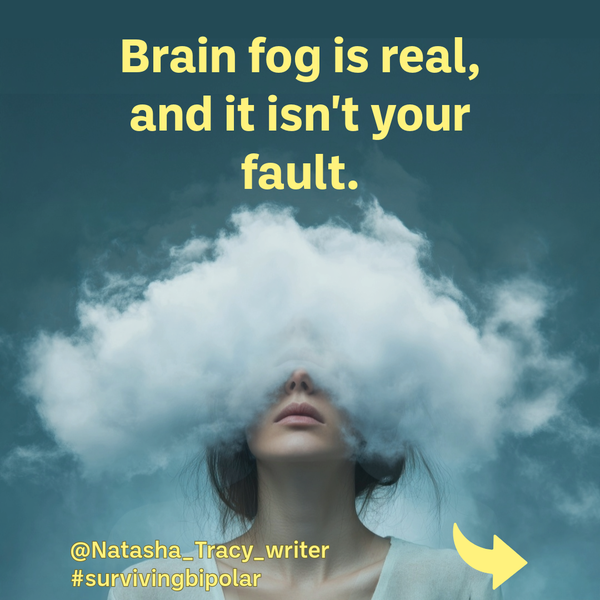
Instagram Highlight: Brain Fog Is Real "Brain fog isn’t 'being forgetful.' It’s not laziness, not a moral failing, and definitely not your fault.
Brain fog is a real cognitive issue that shows up with depression, bipolar disorder, chronic illness, autoimmune disease, hormone changes, stress, and more. It can leave you feeling confused, mentally exhausted, and like your brain is buffering every 10 seconds.
If this is you today, please hear this:
💛 You’re not broken.
💛
You’re not failing.
💛 Your brain is doing the best it can under strain.
⏩ Save this for the days when everything feels harder than it should.
⏩ Share it with someone who needs to understand what you’re going through — or with someone who supports you.
You are not alone."
How to Support My Work - Buy and
review my book.
- Book me to speak with your team on mental health, stigma, or using AI responsibly in mental health.
- Forward this newsletter to someone navigating depression, bipolar, or
TMS decisions.
- Comment on the articles. Your lived experience helps others feel less alone.
A Quote & Final Thoughts Pain — emotional or physical — is real, and it’s brutal. But treatment failure is not a verdict, and pain is not the whole story. You
are allowed to grieve, to rest, to rage a little, and to still keep a small, stubborn corner of your brain open to “what's next?” “Courage doesn't always roar. Sometimes courage is the little voice at the end of the day that says, ‘I'll try again tomorrow.’” — Mary Anne Radmacher
Thank you for being here, for reading, and for staying alive with me. Look for a Christmas newsletter very soon! 🗣️ Your Feedback What topics should we explore next month? Reply to this email or connect with me on social media; I love hearing
your questions and ideas. 🌟 Share This Newsletter If this newsletter resonated with you, please forward it to a friend and encourage them to subscribe! |
You're receiving this email because you've agreed to communications from Bipolar Burble, or you signed up for a Natasha Tracy masterclass. Your information will never be given, rented, or sold to anyone. |
|
|
|