Natasha Tracy's Newsletter September Edition Dear Bipolar Warriors and Supporters, As fall begins, we’re surrounded by reminders to start fresh and look at things anew — new schedules, new goals, new challenges. It’s also a good time to look at the tools we use to understand our own mental health in a new way. The internet
is full of quick quizzes that claim to tell us if we’re depressed, anxious, or bipolar, but how accurate are they really? This month, I’m unpacking the difference between entertainment quizzes and evidence-based screening tools that doctors actually rely on. Knowing the difference could change how you see your mental health, and how you care for it. 📬 What's Inside: - Feature #1: Online Mental Health Quizzes vs. Validated Screenings: Use Real Tools
- Feature #2: Know Your Rights When You're Hospitalized
- Bipolar Rules! update
- From the Archives:
- Bipolar
Disorder Is About Physical Pain Too
- Coping with Bipolar Emotions Using Logic
- How to Practice Bipolar Coping Skills
- Instagram Spotlight: You Did Not Cause Your Child's Autism
- Final Thoughts: Guiding change
- Your Feedback: Share what you’d like to see next month
Let's dive in! |
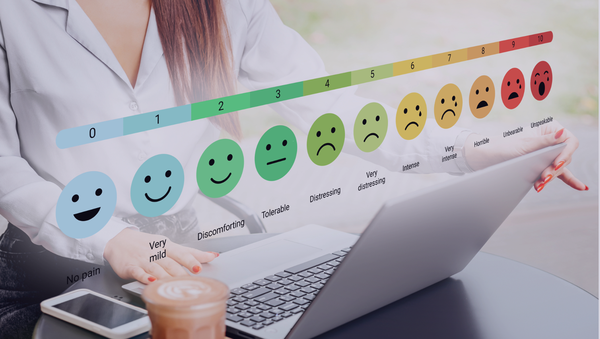
📝 Feature: Are Online Mental Health Quizzes Helping or Hurting? The internet makes it (too) easy to stumble across quizzes that claim to diagnose depression, anxiety, or even bipolar disorder in just a few clicks. But while these can feel
validating, or even alarming, they aren’t the same as real medical tools. In my latest article, I dive into the crucial difference between casual online quizzes and validated screening tools like the PHQ-9 or GAD-7, which clinicians actually use to guide care. If you’ve ever wondered whether those quizzes are trustworthy, or wanted to know what to look for instead, this piece separates entertainment from evidence and shows you how to
use screening tools safely as a starting point, not a diagnosis. It also includes a link to many real, validated mental health screeners. 👉 Read the full article. 🏥 Feature #2: Know Your Rights When You're Hospitalized Being admitted to the hospital for a mental health crisis can feel overwhelming, especially if you’re unsure of what to expect. In moments when you’re most vulnerable, understanding your
rights becomes essential. This article breaks down what patients are entitled to when hospitalized for psychiatric care, covering areas like informed consent, privacy, communication with loved ones, and the right to treatment. Whether you’ve faced hospitalization before or simply want to be prepared, knowing these rights can help you feel more empowered and less alone in the process. 👉 Read the full article. 📖 "Bipolar Rules! Hacks to Live Successfully with Bipolar Disorder" Update I had hoped to share Bipolar Rules! with you this year, but life had other plans. Health and life challenges have slowed the process for now, which means the book’s
release is delayed. What hasn’t changed is my commitment: Bipolar Rules! is still on its way, and I’m determined to make it the very best book I can write. Thank you so much for your patience and support, it means the world to me as I continue this journey with you. 👉 Learn more about Bipolar Rules! 👉 Get my first book, Lost Marbles. From the Archives Revisit these three thought-provoking articles that cut to the heart of living with bipolar disorder: - Bipolar Is About Physical Pain Too — Bipolar disorder isn’t just
about mood; it can also bring genuine, physical pain. Learn why this connection happens and what you can do about it.
👉 Read the full article. - When to Use Logic, Not Emotion, in Bipolar Disorder — Intense feelings can take over, but
sometimes stepping back and leaning on logic is the best way to cope. Here’s how.
👉 Read the full article. - Practicing Bipolar Coping Skills — Coping skills aren’t just for crisis moments. Discover how daily practice (like with
the logic tools from above) can make them stronger and you more resilient.
👉 Read the full article.
All the Archives |
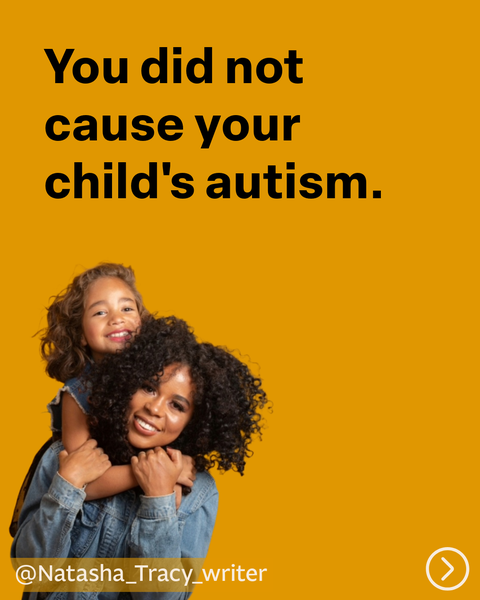
Instagram Highlight: Causing Autism in Children "Too many parents are made to feel guilty for their child’s autism — and that needs to stop. ❌ Autism is not caused by Tylenol. The science is clear: acetaminophen is safe when used as directed.
Spreading the myth that it “causes autism” only harms families:
👉 It blames mothers for doing their best during pregnancy.
👉 It stigmatizes autistic people by treating their existence as a “problem to be prevented.”
👉 And it distracts from real,
evidence-based factors we do know can influence risk.
Autism has no single cause. Genetics, prenatal environment, and birth factors all play a role — but blaming parents is not one of them.
Parents: You did not cause your child’s autism. Full stop. 💜"
A Quote & Final Thoughts “The curious paradox is that when I accept myself just as I am, then I can change.”
— Carl Rogers
As I'm reminded that change is both inevitable and necessary, it’s worth remembering that growth doesn’t come from chasing quick fixes — whether that’s through online quizzes or anything else. Real progress begins with awareness, acceptance, and the right tools to guide us. This month, I hope you take a moment to honor where you are, trust evidence over noise, and lean on the skills and supports that keep you moving forward. Take good care, 🗣️ Your Feedback What topics should we explore next month? Reply to this email or connect with me on social media; I love hearing
your questions and ideas. 🌟 Share This Newsletter If this newsletter resonated with you, please forward it to a friend and encourage them to subscribe! |
You're receiving this email because you've agreed to communications from Bipolar Burble, or you signed up for a Natasha Tracy masterclass. Your information will never be given, rented, or sold to anyone. |
|
|
|